Juice Concentrates and Custom Blending Solutions for Flavor Mastery
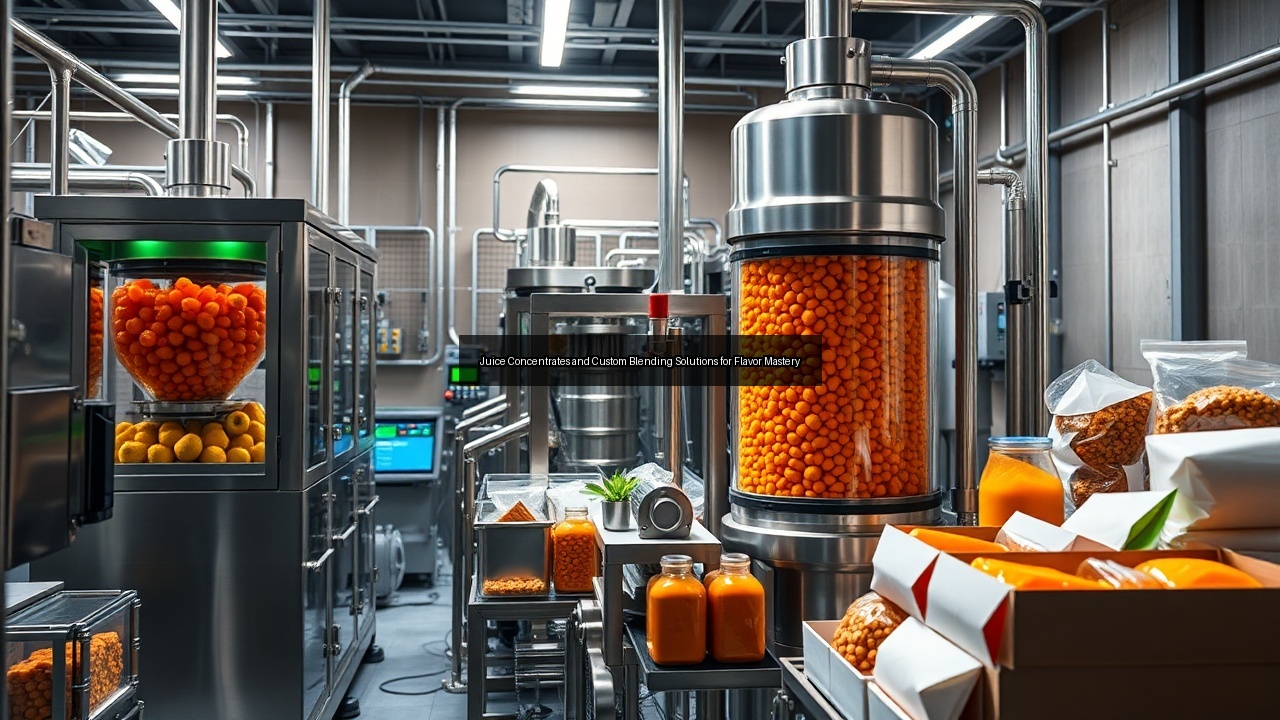
Understanding Juice Concentrates in Beverage Manufacturing
The Role of Juice Concentrates in Flavor Profiles
Juice concentrates serve as the backbone of flavor profiles in the beverage industry. These concentrated forms of fruit juices enhance taste while offering manufacturers a cost-effective solution. By removing water, juice concentrates intensify the natural sweetness and tartness of fruits, making them an ideal ingredient for a multitude of beverages. Beverage makers can create unique flavor experiences that resonate with consumers’ preferences by incorporating various juice concentrates. This mastery over flavor allows brands to differentiate themselves in a saturated market, appealing to diverse palates and dietary needs.
Types of Juice Concentrates Used in Food and Beverage
Numerous types of juice concentrates exist, each contributing distinct tastes and nutritional profiles. Common varieties include apple, orange, grape, and berry concentrates. Apple juice concentrate often lends a mild sweetness, while citrus concentrates introduce vibrant acidity. Berry concentrates offer rich antioxidant benefits alongside robust flavors, making them popular in health-focused beverages. Manufacturers frequently experiment with blends of these concentrates to create innovative flavor profiles that cater to specific consumer trends, such as organic or non-GMO products. Understanding the characteristics of each type is crucial for developing successful beverage lines that resonate with target audiences.
USDA Standards for Juice Concentrates
Compliance with USDA standards governs the use of juice concentrates in food and beverage manufacturing. These regulations ensure that products meet safety and quality benchmarks, thereby protecting consumer health. The USDA mandates that juice concentrates must retain a certain level of nutritional content and flavor integrity to qualify as legitimate products. This oversight fosters trust in the marketplace, allowing consumers to make informed choices about the beverages they consume. Manufacturers must thoroughly understand these regulations to ensure that their formulations not only comply but also stand out in terms of quality and flavor excellence.
The Art and Science of Custom Blending Solutions
Innovative Techniques in Custom Blending
Custom blending solutions elevate beverage innovation by allowing manufacturers to craft unique flavor experiences. Techniques such as cold-pressing and flash-pasteurization preserve the fresh taste and nutritional value of juice concentrates during the blending process. Additionally, employing advanced mixing technology ensures uniform distribution of flavors, resulting in consistent taste across batches. The science behind these techniques involves a deep understanding of both the chemical properties of food ingredients and the preferences of target consumers. By leveraging innovative blending methods, manufacturers can create custom blends that capture the essence of fresh fruit while meeting market demands for quality and uniqueness.
Selecting Food Ingredients for Optimal Blends
The selection of food ingredients plays a vital role in achieving optimal blends. Manufacturers must consider flavor compatibility, nutritional value, and consumer trends when choosing ingredients for custom blends. Pairing juice concentrates with complementary flavors, such as herbs or spices, can create exciting taste profiles that intrigue consumers. Additionally, incorporating natural sweeteners or flavor enhancers can help fine-tune the sweetness or acidity level of the beverage. Understanding the nuances of food ingredients empowers manufacturers to create custom solutions that not only taste great but also align with health-conscious trends in the market.
Batch Production and Its Impact on Flavor Consistency
Batch production processes significantly influence flavor consistency in custom blending solutions. By carefully monitoring each production stage, manufacturers can ensure that every batch maintains the intended flavor profile, color, and aroma. Variability in raw materials can lead to differences in taste, making it essential to establish robust quality control measures. Implementing precise measurements and standardized procedures allows manufacturers to replicate successful blends reliably. This consistency builds brand loyalty, as consumers come to expect the same delightful experience with every purchase. Ultimately, a focus on batch production enhances the overall quality of beverage offerings in the competitive marketplace.
Packaging Solutions for Custom Blends
Primary vs. Secondary Packaging in Beverage Production
Packaging plays a crucial role in preserving the integrity of custom blends. Primary packaging, which comes into direct contact with the product, must be designed to maintain flavor and freshness. Options include glass bottles, plastic containers, and pouches that protect against oxidation and contamination. Secondary packaging, such as boxes and cartons, provides additional protection and branding opportunities. Both types of packaging must align with the overall vision of the beverage, ensuring that the customer experience remains top-notch from the shelf to consumption. Thoughtful packaging solutions not only enhance product visibility but also communicate the quality and uniqueness of the custom blends.
Flexible Packaging Options for Juice Concentrates
Flexible packaging offers numerous advantages for juice concentrates, including lightweight materials that reduce shipping costs and environmental impact. Pouches and films can be designed to extend shelf life while providing an appealing aesthetic. This type of packaging allows for easy storage and convenience for consumers. Moreover, manufacturers can incorporate resealable features, enhancing usability. As the demand for sustainable practices increases, flexible packaging solutions can also be designed with recyclable materials, aligning with eco-conscious consumer preferences. The versatility of flexible packaging positions it as a favorable choice for innovative beverage brands looking to stand out in the market.
GFSI Compliance in Packaging Solutions
Global Food Safety Initiative (GFSI) compliance is essential for ensuring the safety and quality of packaging solutions in food and beverage manufacturing. Adhering to GFSI standards helps manufacturers mitigate risks associated with contamination and foodborne illnesses. Packaging suppliers must demonstrate compliance through rigorous audits and continuous improvement practices. By prioritizing GFSI compliance, manufacturers not only protect consumer health but also enhance their brand reputation. This commitment to safety resonates with increasingly discerning consumers, who prioritize quality and transparency in their food and beverage choices. GFSI compliance thus becomes integral to the overall strategy of developing successful custom blends.
Driving Innovation through Custom Solutions
Current Trends in Beverage Innovation
Current trends in beverage innovation reflect a growing consumer appetite for unique flavors and health-oriented products. The demand for functional beverages, such as those fortified with vitamins or probiotics, drives manufacturers to explore diverse flavor combinations using juice concentrates. Additionally, consumers show interest in low-sugar and naturally flavored options, prompting brands to revisit their blending techniques. Sustainability also plays a pivotal role, with many consumers favoring products that utilize responsibly sourced ingredients. By staying attuned to these trends, manufacturers can develop custom blends that meet evolving market needs while ensuring flavor mastery.
The Future of Custom Blending Services
The future of custom blending services looks bright, with continued advancements in technology and consumer preferences shaping the landscape. As data analytics and consumer insights become more accessible, manufacturers will increasingly adopt data-driven approaches to optimize flavor profiles and ingredient selection. Additionally, the integration of artificial intelligence in formulation processes offers exciting possibilities for rapid development and testing of new blends. Custom blending services will increasingly focus on personalization, allowing consumers to tailor their beverage experiences. This trend toward individualized products will drive brand loyalty and create new opportunities for innovation in the beverage sector.
Case Studies: Successful Custom Blends in the Market
Several successful case studies highlight the potential of custom blends in the market. One notable example involves a beverage brand that combined tropical fruit concentrates with adaptogenic herbs, creating a refreshing drink that appealed to health-conscious consumers. The strategic use of innovative blending techniques ensured a unique flavor profile while preserving the functional benefits of the ingredients. Another case study showcases a company that utilized flexible packaging to launch a line of organic cold-pressed juices, gaining traction among environmentally conscious consumers. These examples demonstrate the impact of custom blending solutions on market success, emphasizing the importance of flavor mastery and consumer alignment.
See Also
- Creating Unique Flavor Profiles with Custom Blending Services
- Exploring the Role of Custom Blends in Sustainable Food Packaging
- Unlocking the Power of Custom Blending Solutions for Food Innovation
- Custom Solutions for Blending that Drive Customer Satisfaction
- From Concept to Creation: The Journey of Custom Blends