Maximizing Efficiency with CNC Machining in Custom Injection Molding
Understanding CNC Machining in Custom Injection Molding
The Role of CNC Machining in the Injection Molding Process
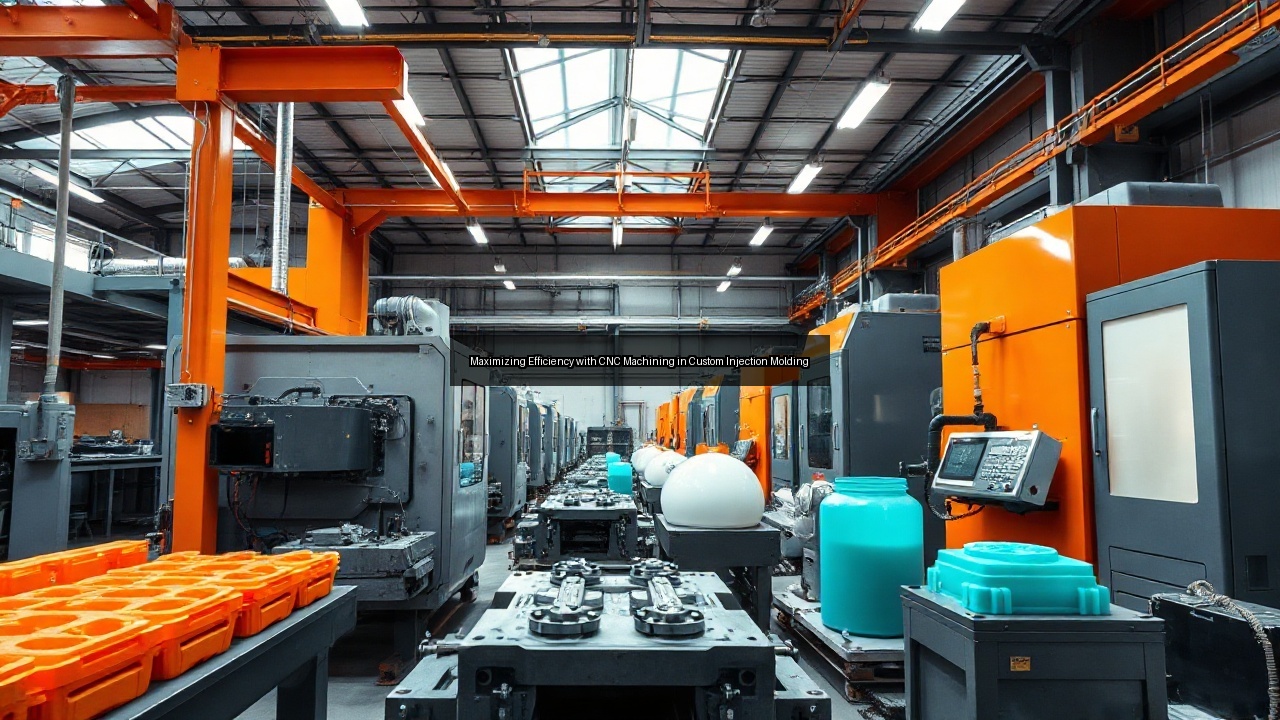
CNC machining plays a crucial role in the custom plastic injection molding process. It allows manufacturers to create highly precise molds that ensure consistency in production. CNC, or Computer Numerical Control, utilizes automated machines to control tools and equipment with exceptional accuracy. This technology enhances the design and construction of injection molds, allowing for complex geometries and intricate designs that would be nearly impossible to achieve through traditional machining methods. The use of CNC machining streamlines the injection molding process, reducing lead times and optimizing production efficiency. Manufacturers can swiftly transition from mold design to production, enabling quicker turnaround times for custom plastic parts.
Benefits of CNC Machining for Custom Mold Design
CNC machining offers numerous advantages for custom mold design in the injection molding industry. First and foremost, it provides unmatched precision, which is essential for creating molds that produce high-quality injection molded parts. The ability to replicate designs with high fidelity minimizes errors and waste, leading to significant cost savings. Additionally, CNC machining supports the use of various materials, including liquid silicone rubber and thermoplastics, allowing designers to select the best option for specific applications. The flexibility of CNC machines also enables rapid prototyping, giving manufacturers the ability to test and refine mold designs quickly. This iterative process fosters innovation and enables the development of custom molds tailored to specific customer requirements.
How CNC Machining Enhances Precision in Injection Molds
Precision is vital in the injection molding process, and CNC machining significantly enhances this aspect. By utilizing advanced software and high-tech machinery, CNC machining achieves tolerances that manual machining cannot match. This precision ensures that each injection mold fits perfectly together, reducing the likelihood of defects in the final products. CNC machines can handle intricate designs, including complex features like threaded inserts and fine details, without compromising accuracy. The result is a well-constructed mold that delivers consistent results during the injection process. Moreover, the repeatability of CNC machining means that manufacturers can produce large volumes of identical parts without sacrificing quality, further solidifying its importance in custom plastic injection molding.
Key Techniques in Custom Plastic Injection Molding
Overmolding: Combining Materials for Enhanced Functionality
Overmolding stands out as an innovative technique in custom plastic injection molding. This process involves molding one material over another, allowing manufacturers to combine different materials to enhance the functionality of the final product. For example, overmolding can integrate a soft thermoplastic elastomer with a rigid plastic base, resulting in a part that has both durability and a comfortable grip. This technique is particularly useful for creating complex assemblies that require multiple properties, such as waterproofing or insulation. By utilizing overmolding, manufacturers reduce assembly time and costs since they can produce multi-material components in a single molding operation. This not only optimizes efficiency but also improves the overall performance of the custom plastic parts.
Insert Molding: Integrating Components for Complex Parts
Insert molding is another technique that plays a significant role in the production of complex plastic components. This method involves placing metal or other materials into the injection mold before injecting the plastic. The result is a single, cohesive part that integrates various components, such as threaded inserts or other structural elements, without the need for separate assembly. Insert molding enhances the strength and functionality of the final product while reducing the risk of defects associated with post-assembly processes. Manufacturers benefit from a streamlined production workflow, as this technique minimizes the number of steps required to create complex parts. The ability to create intricate designs efficiently makes insert molding a preferred choice in custom injection molding applications.
The Impact of 3D Printing on Injection Mold Prototyping
3D printing has revolutionized the prototyping phase in the injection molding process. By allowing designers to create rapid prototypes, 3D printing provides a cost-effective and time-efficient means of testing mold designs before committing to full production. Manufacturers can quickly iterate on their designs, making adjustments based on real-world testing and feedback. This flexibility not only accelerates the development timeline but also minimizes the risk of costly errors during the production phase. Furthermore, 3D printing facilitates the production of complex geometries that may be challenging to achieve through traditional mold-making methods. Integrating 3D printing into custom plastic injection molding workflows enhances innovation and ensures that manufacturers remain competitive in a fast-paced market.
Optimization Strategies for Efficiency and Cost Reduction
Evaluating Pricing Models in Custom Plastic Injection Molding
Pricing models in custom plastic injection molding play a critical role in determining overall project costs. Manufacturers must evaluate various factors, including material selection, production volume, and tooling expenses, to establish a pricing structure that is both competitive and sustainable. Understanding the different pricing strategies—such as cost-plus pricing, fixed pricing, or value-based pricing—enables manufacturers to make informed decisions that align with their business objectives. Transparency in pricing helps customers understand the value they receive, fostering trust and loyalty. By analyzing cost structures and streamlining production processes, manufacturers can optimize their pricing models while still delivering high-quality products.
Implementing ISO 9001 Standards for Quality Assurance
Implementing ISO 9001 standards in custom plastic injection molding significantly enhances quality assurance. ISO 9001 provides a framework for consistent quality management, ensuring that products meet customer expectations and regulatory requirements. This international standard emphasizes continuous improvement, which is essential in a highly competitive industry. By adhering to these standards, manufacturers can identify areas for enhancement within their processes, from design to production and inspection. This commitment to quality not only reduces defects but also increases customer satisfaction, as clients receive reliable and consistent products. Establishing ISO 9001 compliance positions manufacturers as leaders in the injection molding field, attracting more business opportunities.
Cost-Benefit Analysis of Different Molding Techniques
Conducting a cost-benefit analysis of different molding techniques is essential for manufacturers seeking to optimize efficiency and reduce costs in custom plastic injection molding. Each technique, whether it be traditional injection molding, overmolding, or insert molding, comes with its unique advantages and potential drawbacks. Evaluating the upfront costs, production time, and material expenses associated with each method allows manufacturers to make informed decisions that align with their operational goals. Additionally, understanding the long-term benefits, such as durability and reduced assembly costs, provides a comprehensive view of the overall value each technique offers. This strategic approach to molding techniques ensures that manufacturers maximize their investment and enhance profitability.
Post-Production Processes and Surface Finishing Options
Exploring Surface Finishes for Enhanced Aesthetics
Surface finishes in custom plastic injection molding play a vital role in the aesthetics and functionality of the final product. A well-executed surface finish can enhance the visual appeal, improve tactile qualities, and provide additional protection against wear and tear. Options for surface finishes include matte, gloss, textures, and custom patterns that cater to specific design requirements. Manufacturers may choose to apply coatings or treatments to enhance performance, such as UV resistance or chemical durability. The selection of the right surface finish contributes to the overall quality of the injection molded parts, making them more appealing to consumers and ensuring they meet market standards.
Utilizing Laser Engraving for Custom Branding
Laser engraving offers a precise and effective method for custom branding on injection molded products. This technique allows manufacturers to create intricate designs, logos, or text directly onto the surface of the molded parts, enabling unique branding opportunities without compromising the integrity of the material. The permanence of laser engraving ensures that brand markings withstand wear over time, maintaining their visibility and legibility. This customization not only enhances brand recognition but also adds value to the product, making it more marketable. By integrating laser engraving into the post-production process, manufacturers can elevate their products and create a distinctive identity in a competitive landscape.
Inspection and Quality Control in Injection Molded Parts
Inspection and quality control are integral to the success of custom plastic injection molding. Manufacturers must implement rigorous inspection processes to identify defects and ensure that each injection molded part meets established specifications. Quality control measures may include visual inspections, dimensional checks, and functional testing to guarantee that products perform as intended. Utilizing advanced technologies, such as optical inspection systems and automated measurement tools, enhances the accuracy and efficiency of the inspection process. Consistent quality control not only minimizes waste and rework but also builds customer trust, as clients receive reliable and high-quality injection molded components that meet their needs and expectations.
See Also
- Exploring the Versatility of Custom Plastic Injection Molding in Various Industries
- Exploring the Benefits of Overmolding in Custom Plastic Injection Molding
- Why Custom Plastic Injection Molding is Ideal for High-Volume Production
- Cost Breakdown of Custom Plastic Injection Molding: What to Expect
- The Role of ISO 9001 in Enhancing Custom Plastic Injection Molding Quality